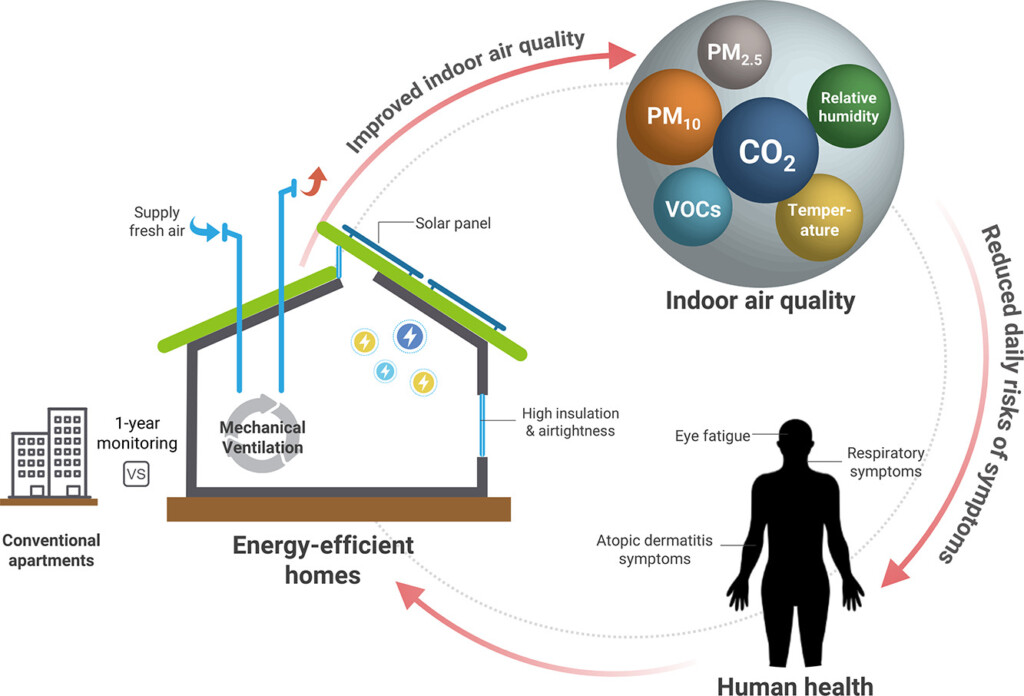
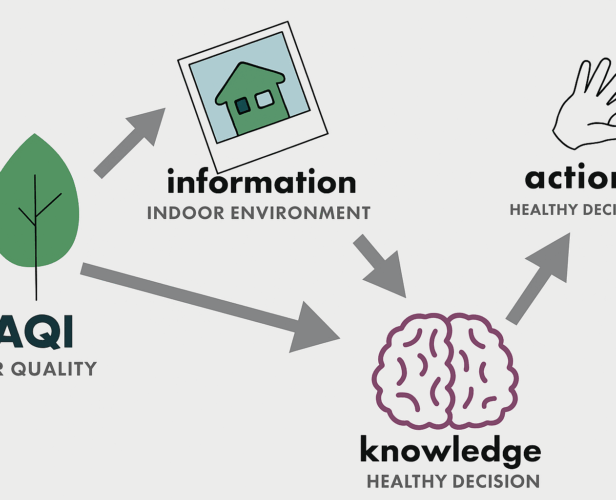
🌬️ The air we breathe indoors directly affects our health, focus, and productivity. Unfortunately, many indoor spaces – including offices, classrooms, kindergartens, and shared workspaces – are poorly ventilated, which can lead to the buildup of invisible yet harmful pollutants.
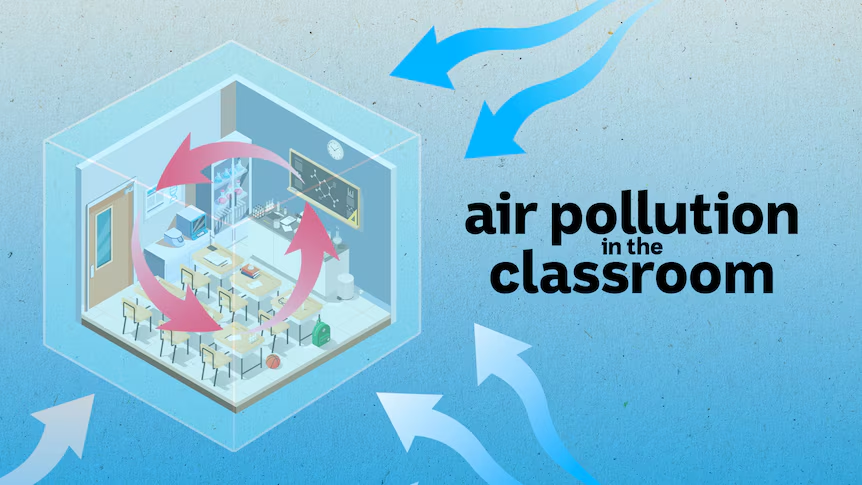
❗ Why “just opening a window” isn’t always enough
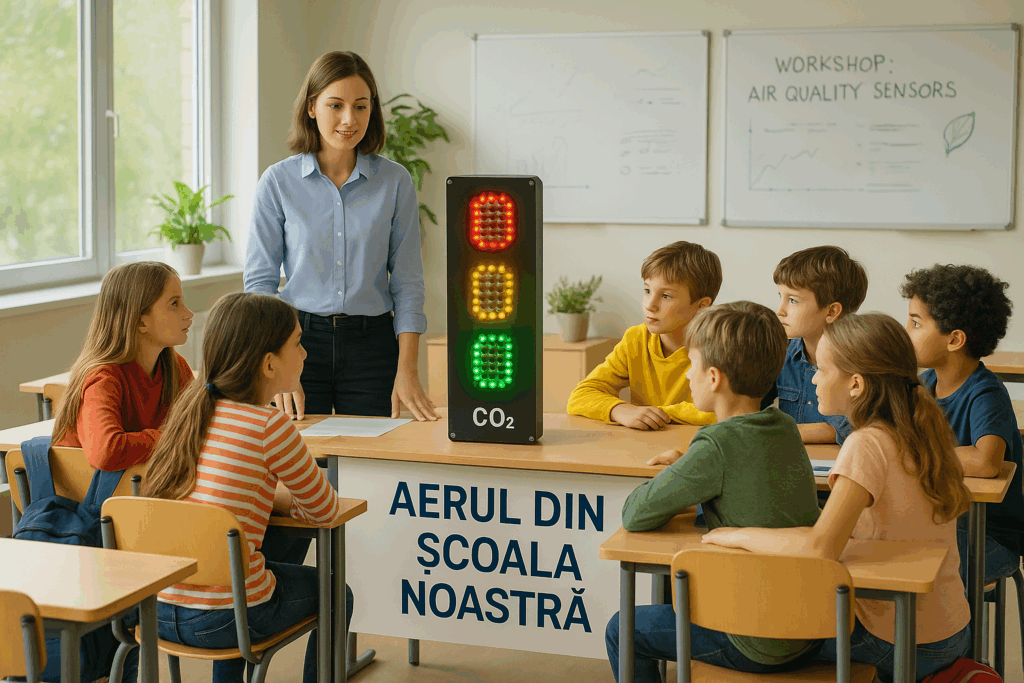
As a first step, we recommend using CO₂ traffic light indicators built together with students to identify poorly ventilated classrooms and to know exactly when it’s the right time to air out the room.
There’s a common belief that opening a window for 10 minutes or taking a quick air quality reading is enough to ensure a safe indoor environment. But in reality, indoor air quality is constantly changing, depending on:
- how many people are in the room
- how frequently and how well the space is ventilated
- whether mechanical ventilation or HVAC systems are in use
- activities such as cooking, printing, cleaning, or burning candles
- the conditions indoors and outdoors (temperature, humidity, pollution levels)
⚠️ Short-term measurements can be misleading, often missing spikes in CO₂ and pollutants during busy hours.
✅ Opening a window is often the simplest and most effective solution—as long as the outdoor air isn’t polluted. Using CO₂ indicators helps determine when ventilation is truly needed and when it’s better to avoid bringing in outside air (e.g., near traffic or during high-pollution episodes).
📊 What does proper indoor air monitoring look like?
To truly understand indoor air quality, we need continuous monitoring or longer sampling periods tailored to each pollutant. Here’s what that looks like:
🟠 Carbon Dioxide (CO₂)
- Naturally released through human respiration.
- Levels above 800–1000 ppm indicate poor ventilation.
- Measurements must be taken while the room is occupied, especially during busy hours.
🔎 High CO₂ levels can cause:
- reduced concentration and cognitive performance
- headaches and fatigue
- higher risk of disease transmission
🌫 Particulate Matter – PM2.5 and PM10
- Generated by dust, cigarette smoke, road traffic, combustion, and indoor activities.
- WHO recommends:
- PM2.5: max. 15 μg/m³ daily or 5 μg/m³ annually
- PM10: max. 45 μg/m³ daily
- Must be monitored over several days or weeks to reflect realistic exposure trends.
✅ What practical steps can we take?
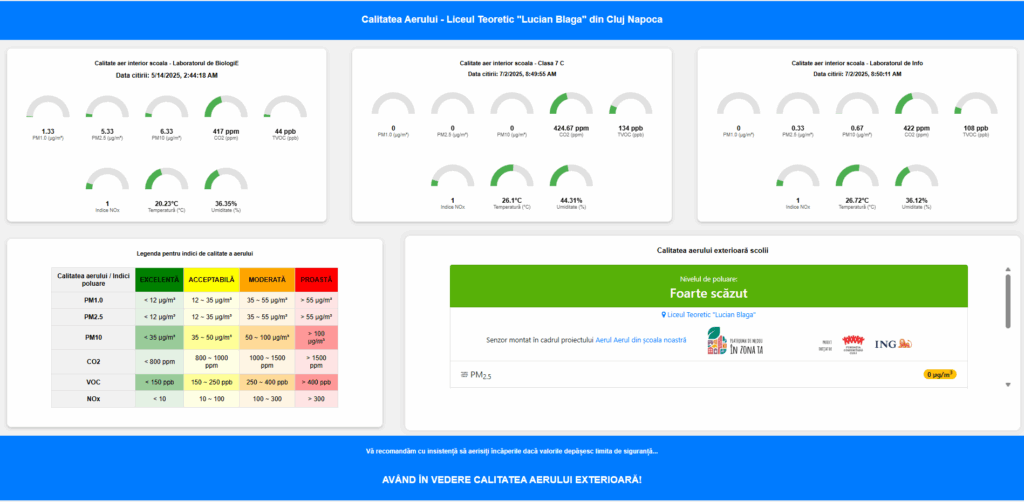
- Install air quality sensors that provide continuous data and real-time alerts.
- Ventilate regularly, especially during occupancy peaks.
- Raise awareness about the importance of indoor air quality in schools and workplaces.
- Consider smart ventilation systems that automatically activate when air quality drops.
🌍 Bottom Line: Clean air = Clear minds
Proper ventilation and intelligent air monitoring are not a luxury – they’re essential to protect the health of our children, improve focus at work, and prevent long-term exposure to harmful pollutants.
📲 At www.aeruldinscoalanoastra.ro, we promote indoor air education and provide simple yet effective tools to help schools and organizations track air quality in real time. Together, we can make indoor spaces safer and healthier.