Introduction
Water is the foundation of life on Earth. All living organisms—from microscopic bacteria to humans—depend on water to survive, and natural ecosystems rely on the water cycle to function. However, although our planet is covered in water by about 71%, only around 2.5% is freshwater, and less than 1% of that is directly accessible for human consumption. The rest is locked in glaciers, ice caps, or deep underground aquifers.
This limited resource is increasingly under pressure from multiple factors: rapid industrialization, intensive agriculture, uncontrolled urbanization, climate change, and poor water resource management. The degradation of water quality affects human health, food security, ecosystems, and the global economy. These issues are deeply interconnected and require a systemic and integrated approach.
Major Threats to Water Quality
- Chemical Pollution
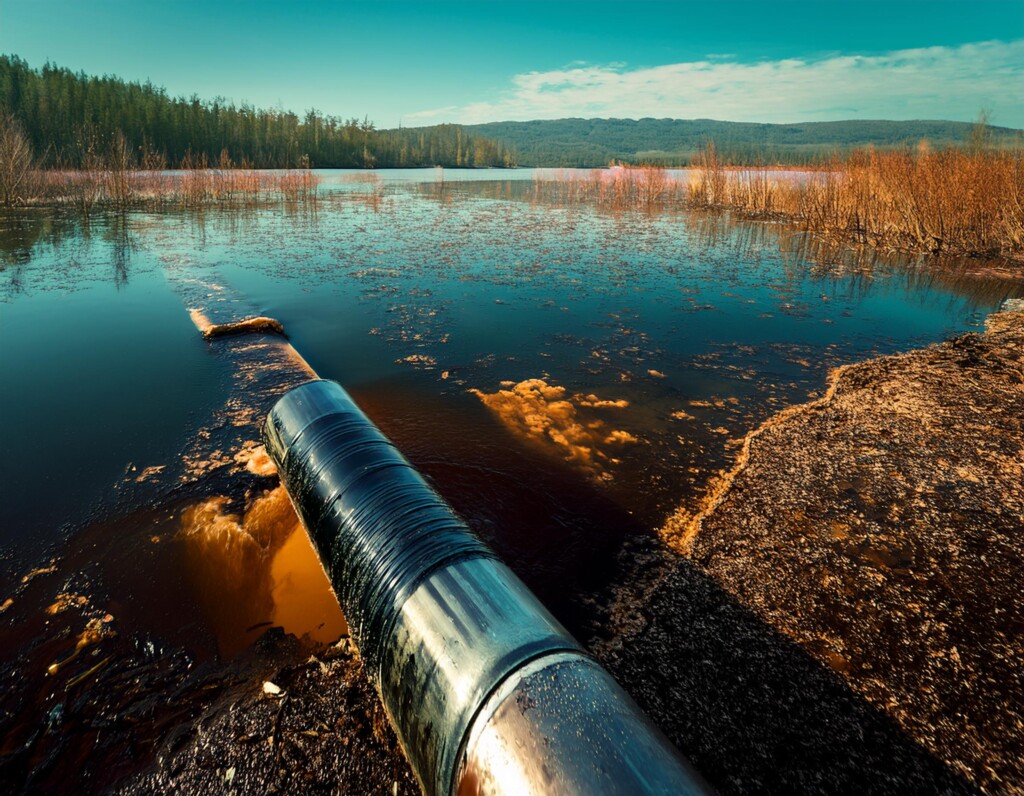
Among the most dangerous chemical pollutants are nitrates and phosphates from agricultural fertilizers, which contribute to eutrophication in rivers and lakes—a process where excessive algae growth depletes oxygen and kills aquatic life. Pesticides and herbicides, many of which are persistent in the environment, enter surface and groundwater through runoff and infiltration.
Heavy metals such as mercury, lead, and cadmium, often from heavy industry and waste, accumulate in the food chain and damage the nervous system, liver, and kidneys. Once these substances enter aquifers, their removal becomes extremely difficult and expensive.
- Biological Pollution
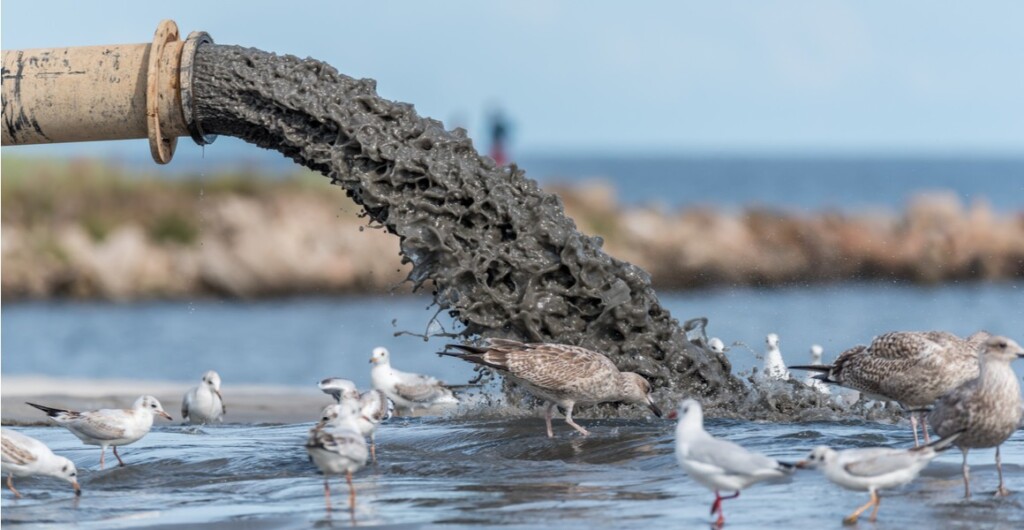
The direct discharge of untreated or inadequately treated wastewater is a major source of biological contamination. It introduces pathogenic bacteria (like E. coli, Salmonella, Vibrio cholerae), viruses (such as hepatitis A, rotaviruses), and parasites into aquatic environments. In many regions worldwide, this continues due to a lack of modern sewage infrastructure and treatment plants, endangering public health and aquatic ecosystems.
- Microplastic Pollution
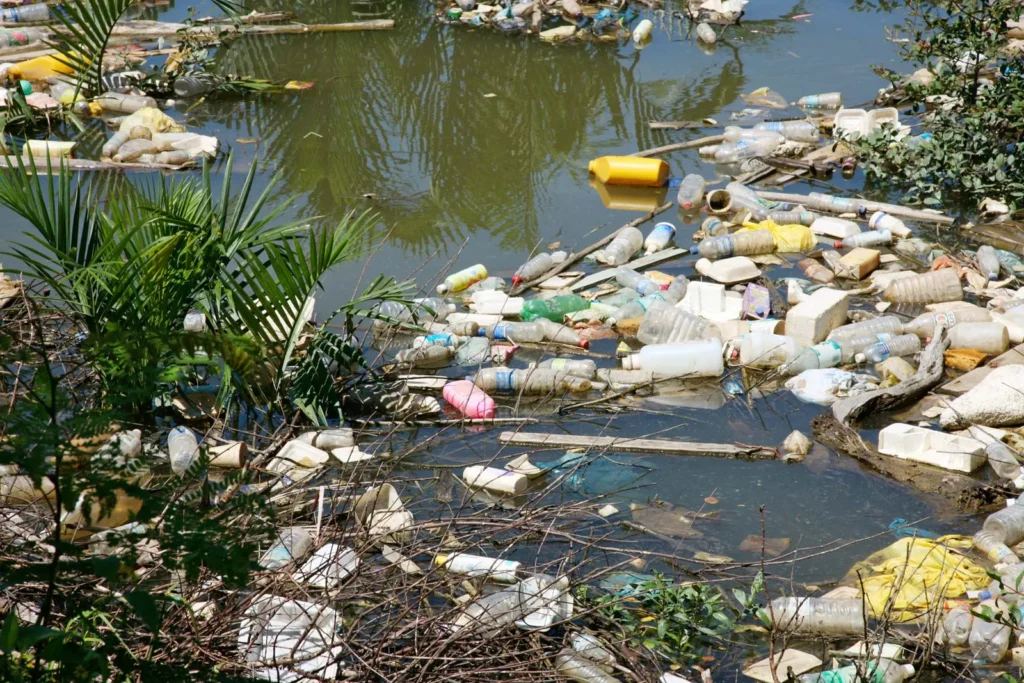
One of the most recent and insidious forms of pollution is caused by microplastics—tiny plastic fragments (<5 mm) from cosmetics, synthetic textiles, decomposed packaging, or tire wear. These have been found in tap water, bottled water, and marine organisms consumed by humans. Beyond their physical presence, microplastics attract other toxic pollutants to their surfaces, acting as vectors for contamination.
- Groundwater Depletion
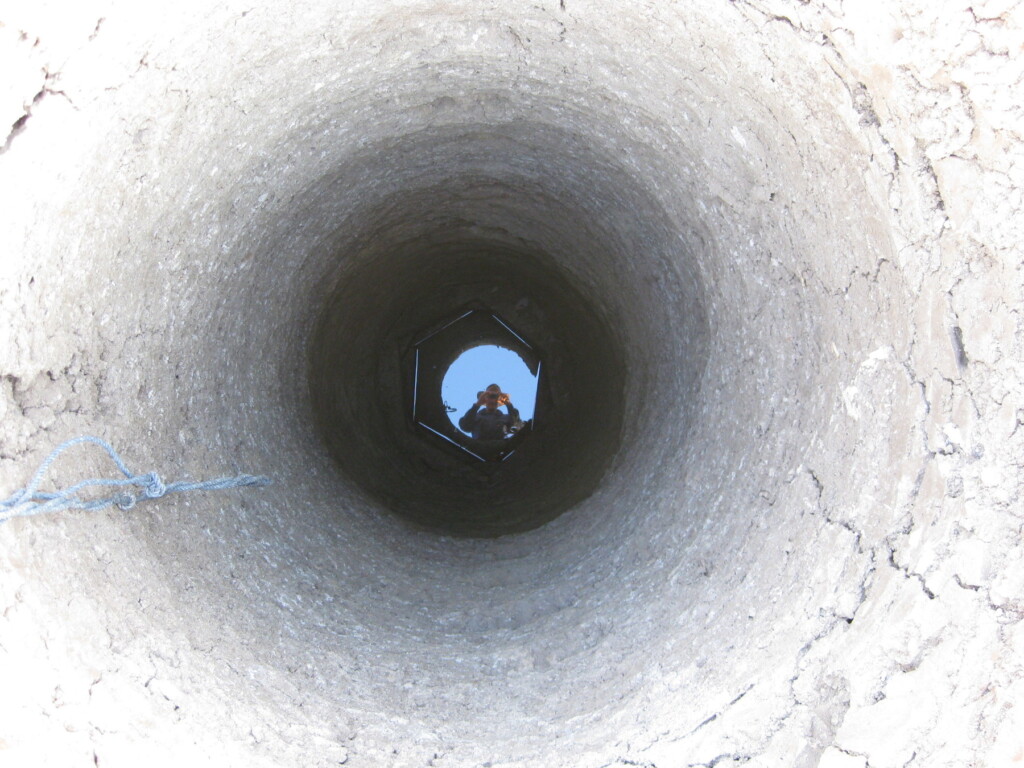
In many parts of the world, agriculture and industry extract vast amounts of water from underground aquifers without allowing for natural recharge. This leads to falling groundwater levels—a phenomenon known as aquifer overexploitation. In some cases, it results in saltwater intrusion in coastal aquifers (salinization), soil compaction, and even land subsidence.
Impact on Human Health
Drinking contaminated water is linked to numerous diseases, both acute and chronic. The most widespread include:
- Hepatitis A, transmitted through water contaminated with fecal matter.
- Cholera, an acute diarrheal illness that can be fatal without prompt treatment.
- Dysentery and gastroenteritis, caused by bacteria and protozoa.
- Endocrine and hormonal disruption, triggered by pollutants such as BPA and phthalates.
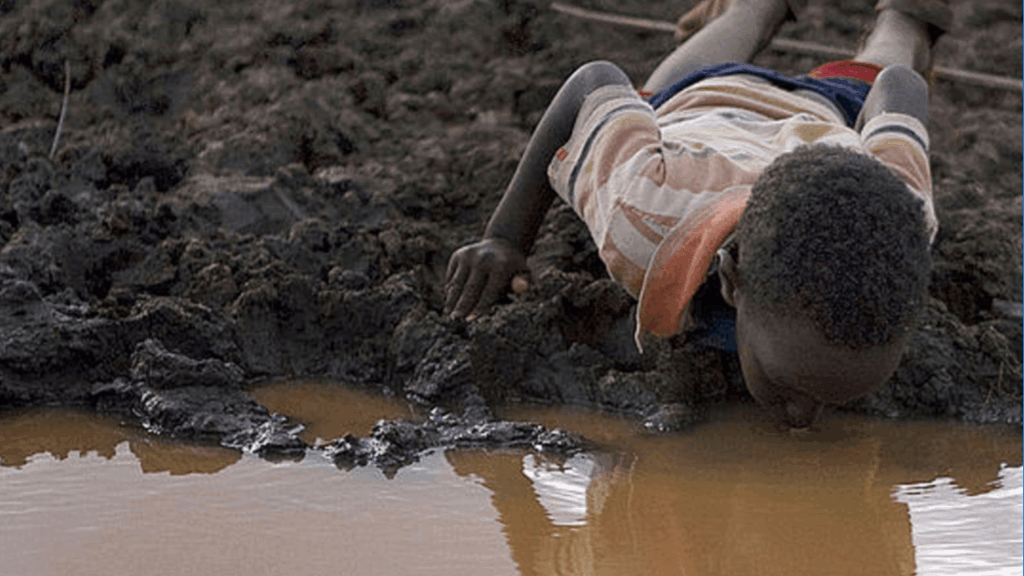
Children, pregnant women, and individuals with weakened immune systems are particularly vulnerable. In many rural or underserved areas, lack of access to clean drinking water remains a leading cause of infant mortality.
Solutions and Action Steps
- Efficient Water Treatment Systems
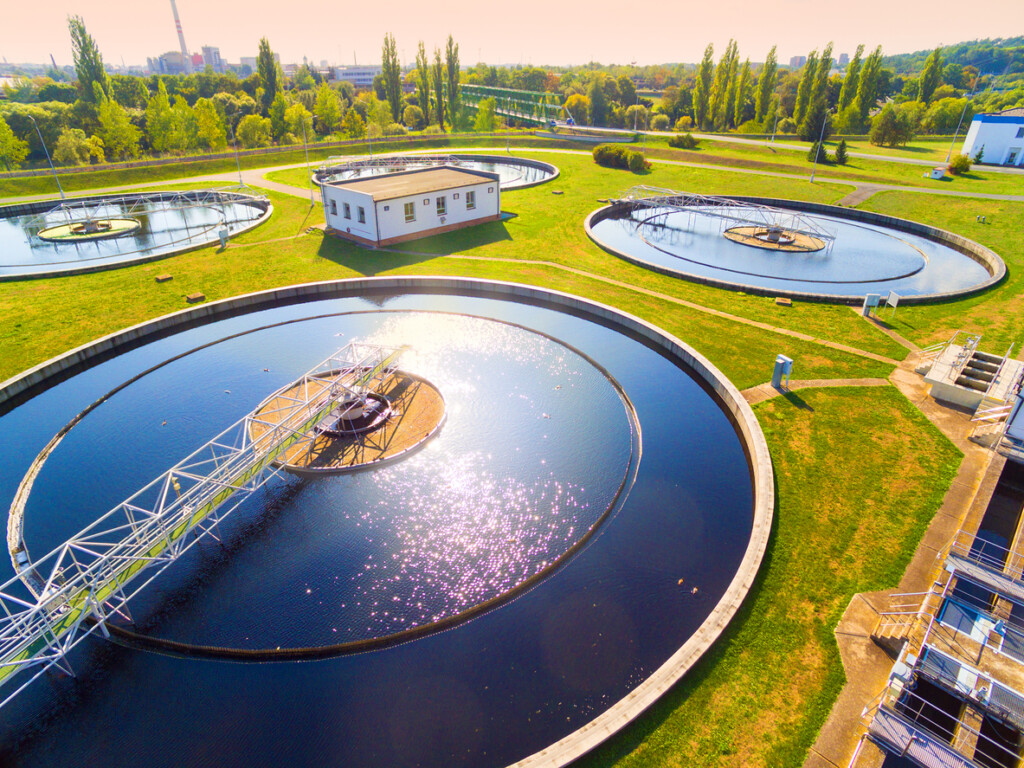
Modernizing wastewater treatment plants—especially in rural areas—and adopting green technologies that not only purify water but also recover nutrients and energy is essential. Solutions include activated carbon filtration, reverse osmosis, and biological treatment methods.
- Protecting Aquatic Ecosystems
Wetlands, riparian forests, marshes, and deltas play a crucial role in naturally filtering water. These ecosystems must be protected and restored to function as effective “biological filters.”
- Public Policies and Strict Regulations
There is a need for clear and strict regulations on industrial wastewater discharge, chemical fertilizer use, and microplastic control. Polluters should be taxed, and incentives should be provided to companies that reduce water consumption and environmental impact.
- Citizen Engagement and Environmental Education
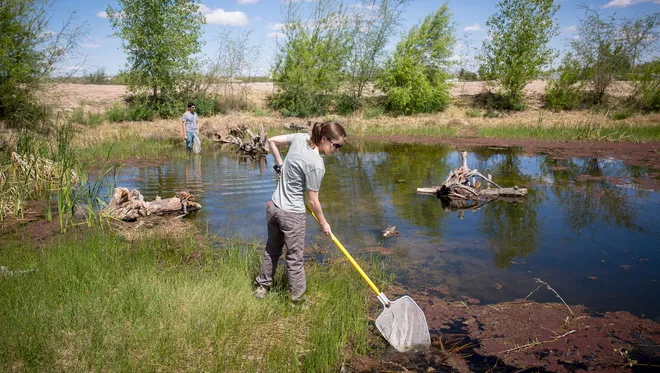
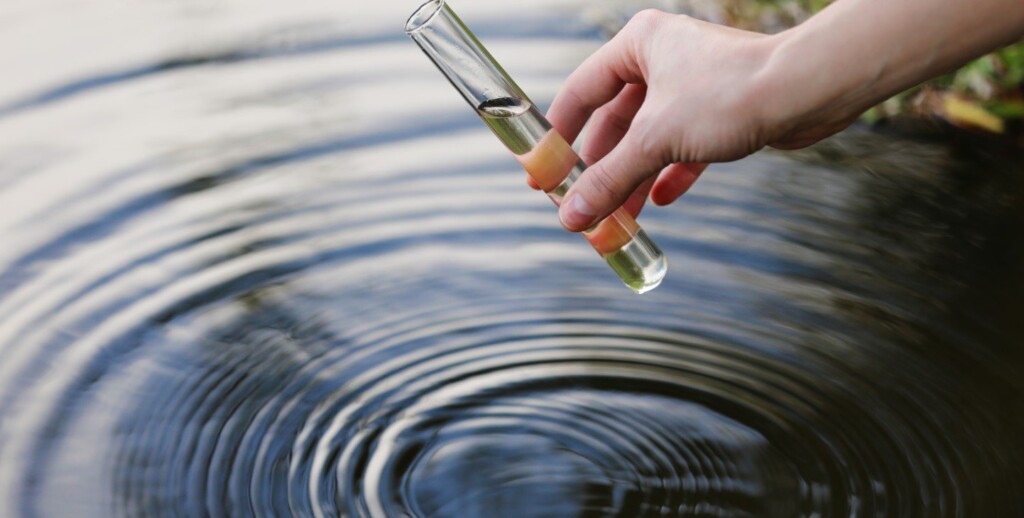
Citizen science initiatives—where individuals monitor and report on water quality—can help identify problem areas and hold authorities accountable. Moreover, ecological education in schools can nurture a generation of environmentally conscious and responsible citizens.
Conclusion
Water quality is one of the most critical challenges of the 21st century. Without clean water, there can be no health, food, economy, or life. It is vital to understand that every action—from how we wash our cars to the cleaning products we use or our plastic consumption—has a direct or indirect impact on water resources. The future of this essential resource depends on our collective involvement: citizens, authorities, companies, and local communities.