

Introduction
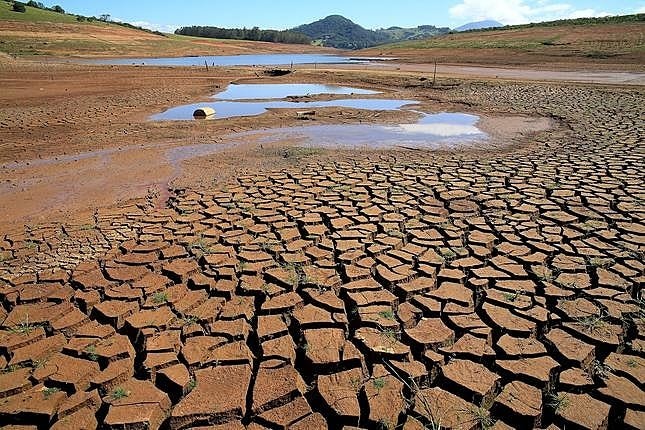
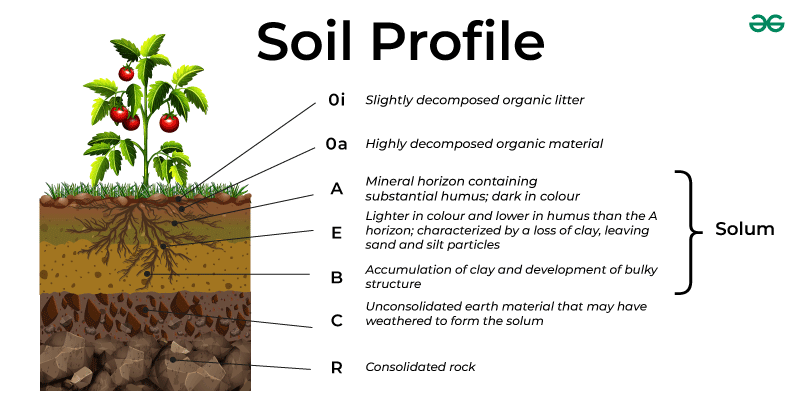
Soil is one of the planet’s most precious resources—and yet one of the least understood and protected. It is much more than a mix of sand, clay, and organic matter—it is a complex, living ecosystem that supports agriculture, regulates the water cycle, stores carbon, and hosts billions of organisms essential to life.
However, soil is under threat. It is degrading at an alarming rate due to human activity and climate change. According to the FAO, around 33% of the world’s soils are already moderately or severely degraded. If this trend continues, global food security, terrestrial biodiversity, and our ability to fight climate change will be seriously compromised.
Forms of Soil Degradation
- Soil Erosion
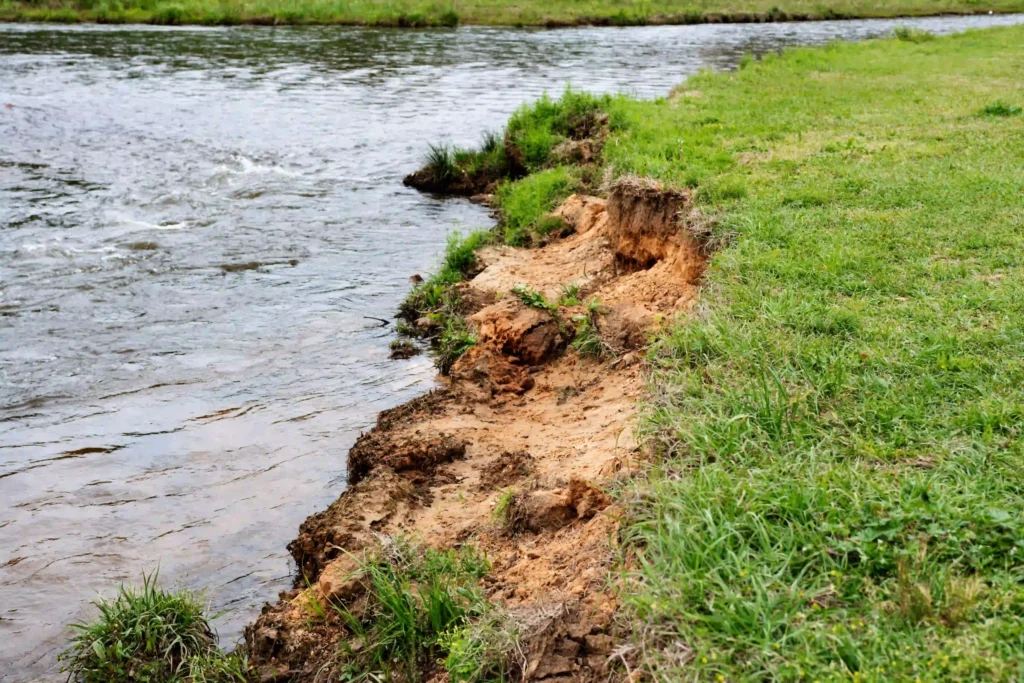
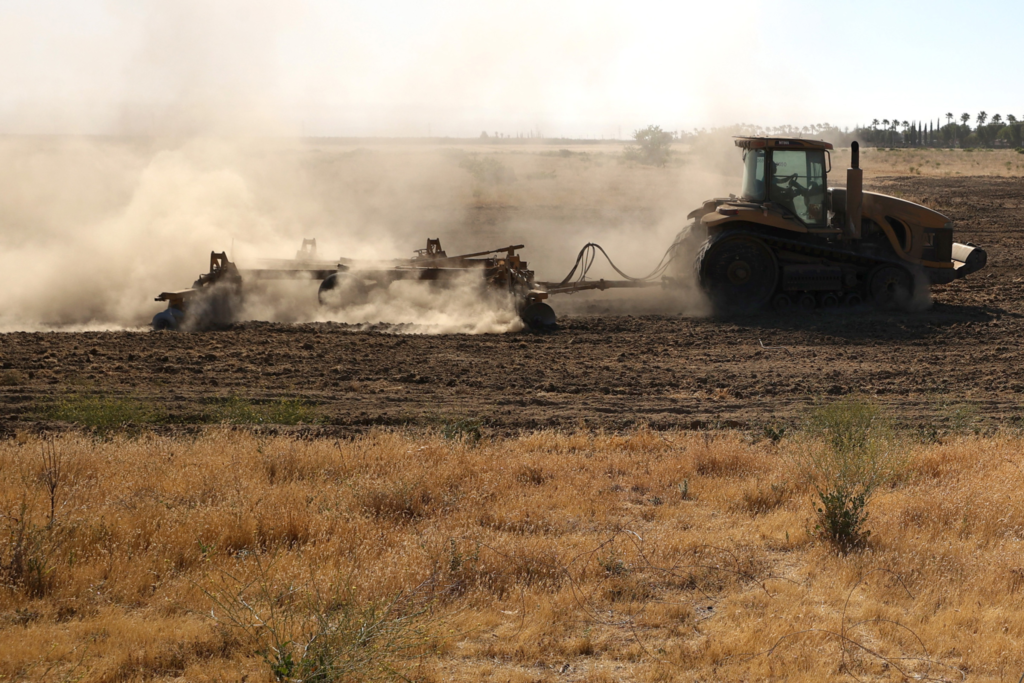
One of the most visible and widespread forms of degradation, erosion occurs when the top layer of nutrient-rich soil is removed by wind or water. This layer, which took thousands of years to form, can be destroyed in just a few seasons of intensive farming without vegetation cover.
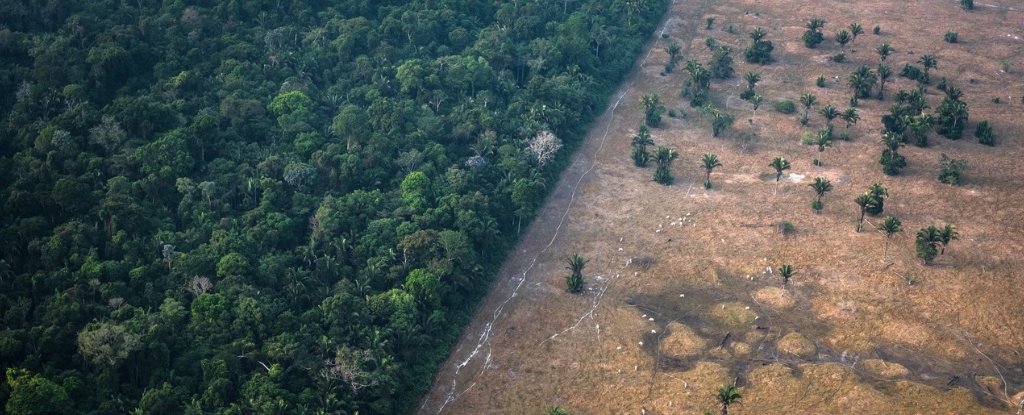
Deforested areas, overgrazed lands, or monocultures without crop rotation are the most vulnerable. Beyond fertility loss, erosion causes sedimentation in rivers, landslides, and desertification in arid regions.
- Soil Contamination
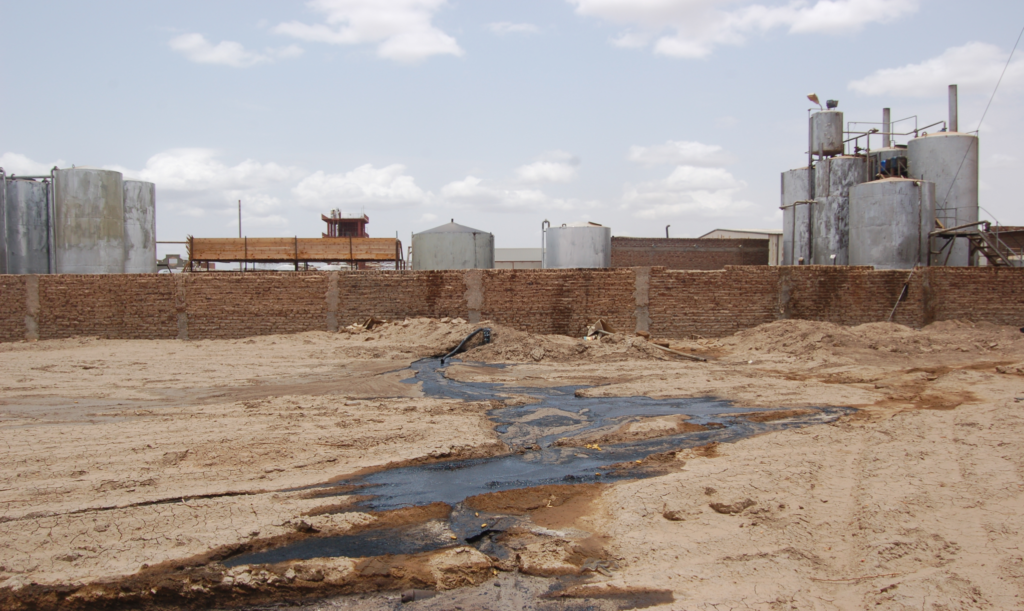
Industrial activities, mining, improper waste disposal, and heavy use of pesticides and chemical fertilizers lead to the accumulation of toxic substances: heavy metals (lead, mercury, cadmium), hydrocarbons, or persistent organic compounds.
These substances enter plants and move through the food chain, harming human and animal health. In many cases, contaminated land remains unsuitable for farming for decades, and remediation is costly and complex.
- Soil Compaction
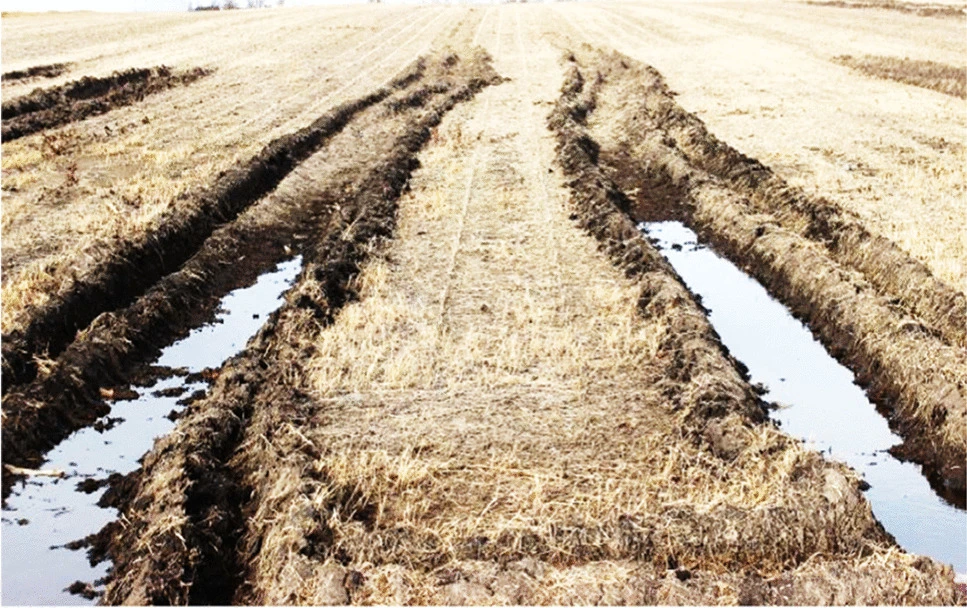
The heavy use of agricultural machinery and lack of crop alternation compresses the soil, reducing pore spaces between particles. This limits water and air infiltration, affecting root development and the activity of beneficial organisms (earthworms, bacteria, fungi).
Compaction reduces fertility and increases surface runoff, leading to nutrient loss and downstream water pollution.
- Salinization
In arid or semi-arid regions, faulty irrigation systems cause salt buildup in the soil. As irrigation water evaporates, it leaves behind salts that accumulate in the upper layers, turning once fertile land into barren terrain.
Salinization affects millions of hectares of farmland, especially in regions dependent on irrigation. This is often worsened by rising groundwater levels, particularly when drainage is poorly managed.
Impacts of Soil Degradation
🔹 Decline in Agricultural Productivity
Degraded soil loses its ability to support healthy, productive crops. Farmers must rely on costly chemical fertilizers, deepening the cycle of dependence and degradation.
This issue especially affects smallholder farmers in developing countries, where soil is the main source of livelihood.
🔹 Rural Migration and Social Instability
When land becomes infertile, families are forced to leave their homes in search of opportunities elsewhere. This fuels rural migration, urban overcrowding, and even conflict over access to fertile land.
🔹 Food Insecurity
As soils lose essential nutrients, yields drop and food prices rise. In a world with a growing population, every square meter of fertile soil is invaluable. Its degradation threatens humanity’s ability to feed itself.
🔹 Ecological Collapse
Soil is home to millions of species. Its degradation leads to biodiversity loss, disrupts food chains, and undermines ecosystems’ self-regulating capacity. Moreover, soil plays a vital role in carbon sequestration—its degradation releases large amounts of CO₂ into the atmosphere, accelerating climate change.
Solutions for Soil Protection and Restoration
- Regenerative Agriculture Practices
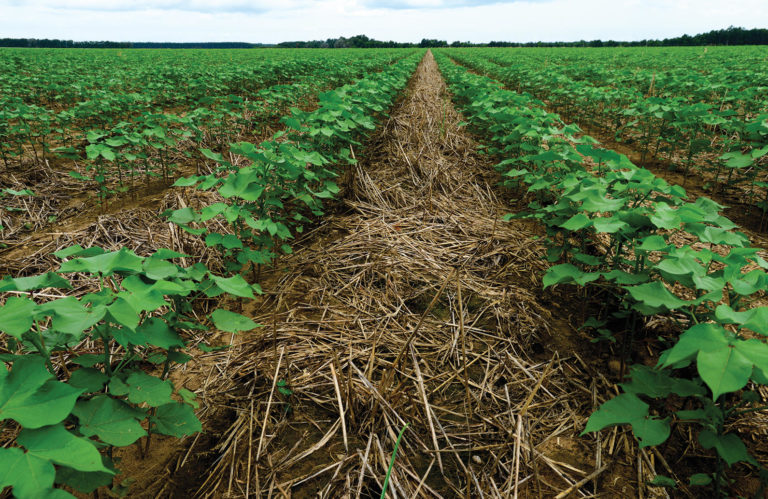
These include agroforestry (integrating crops with trees), cover cropping (to protect soil between growing seasons), crop rotation, and no-till farming.
The goal is to rebuild soil structure, enhance biodiversity, and increase organic matter content—crucial for fertility and carbon storage.
- Urban Soil Protection
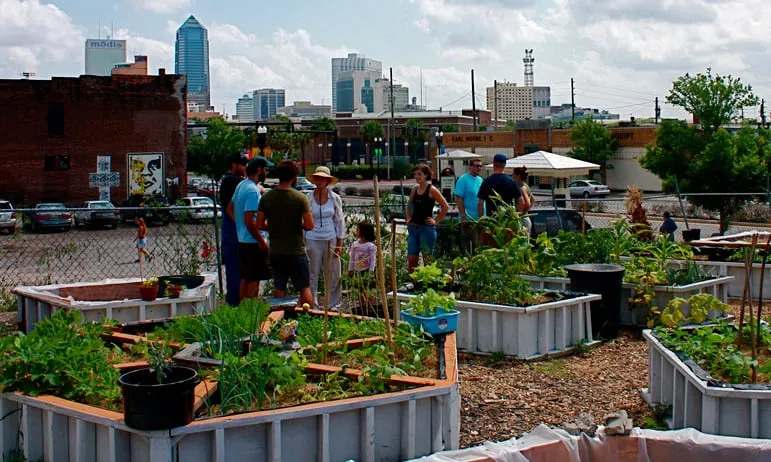
Excessive urbanization seals soil beneath concrete and asphalt, blocking water filtration and biological exchange. Solutions like urban gardens, green roofs, and community green spaces can restore some of soil’s ecological functions and improve urban microclimates. - Contaminated Land Remediation
There are biological, chemical, and physical methods to clean up polluted soil, such as phytoremediation (using plants to absorb heavy metals), bioremediation (using bacteria to break down pollutants), or removing the contaminated layer.
Though costly, these interventions are essential to recover industrial or spill-affected zones.
- Community Involvement
Farmers, students, local governments, and citizens can help protect soil through awareness campaigns, tree planting, composting workshops, and soil quality monitoring via citizen science projects.
Conclusion
Soil is a non-renewable resource on the scale of a human lifetime. What we lose in decades takes centuries to naturally regenerate. This makes soil degradation a silent crisis—but one with devastating impacts on our shared future.
Without healthy soil, we cannot have food, clean water, breathable air, or a stable climate. It is time to give soil the attention it deserves and act not just as farmers or researchers, but as responsible citizens who understand that protecting it means protecting life itself.