Introduction
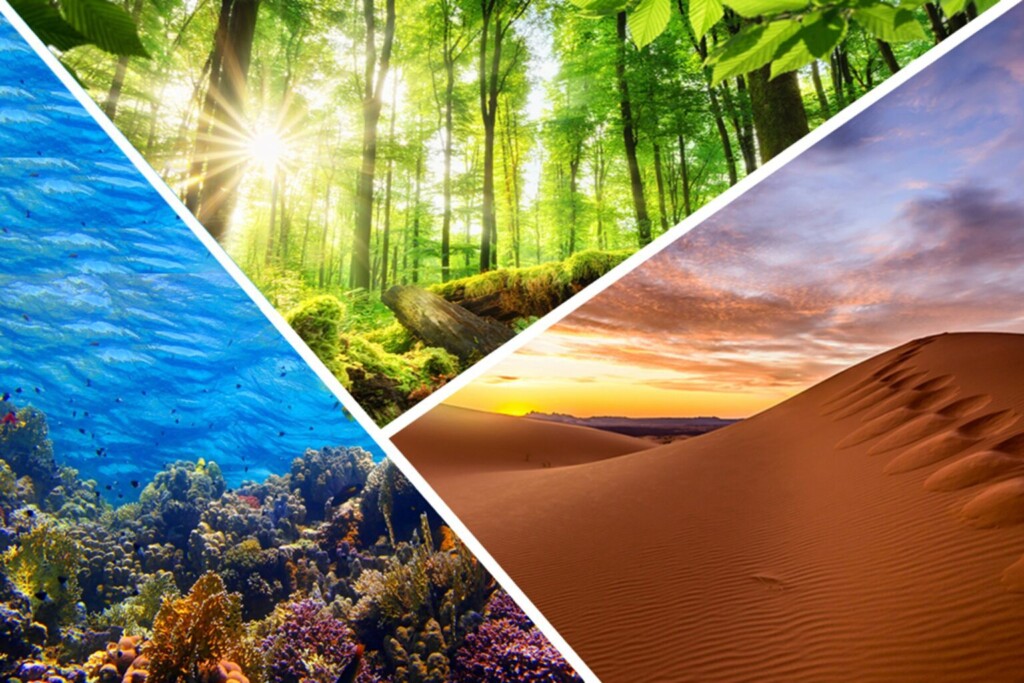
Natural ecosystems are the planet’s foundational infrastructure. Forests, rivers, oceans, grasslands, wetlands, and coral reefs provide essential ecosystem services for human life: breathable air, clean water, food, pollination, soil fertility, climate regulation, nutrient recycling, and protection from natural disasters.
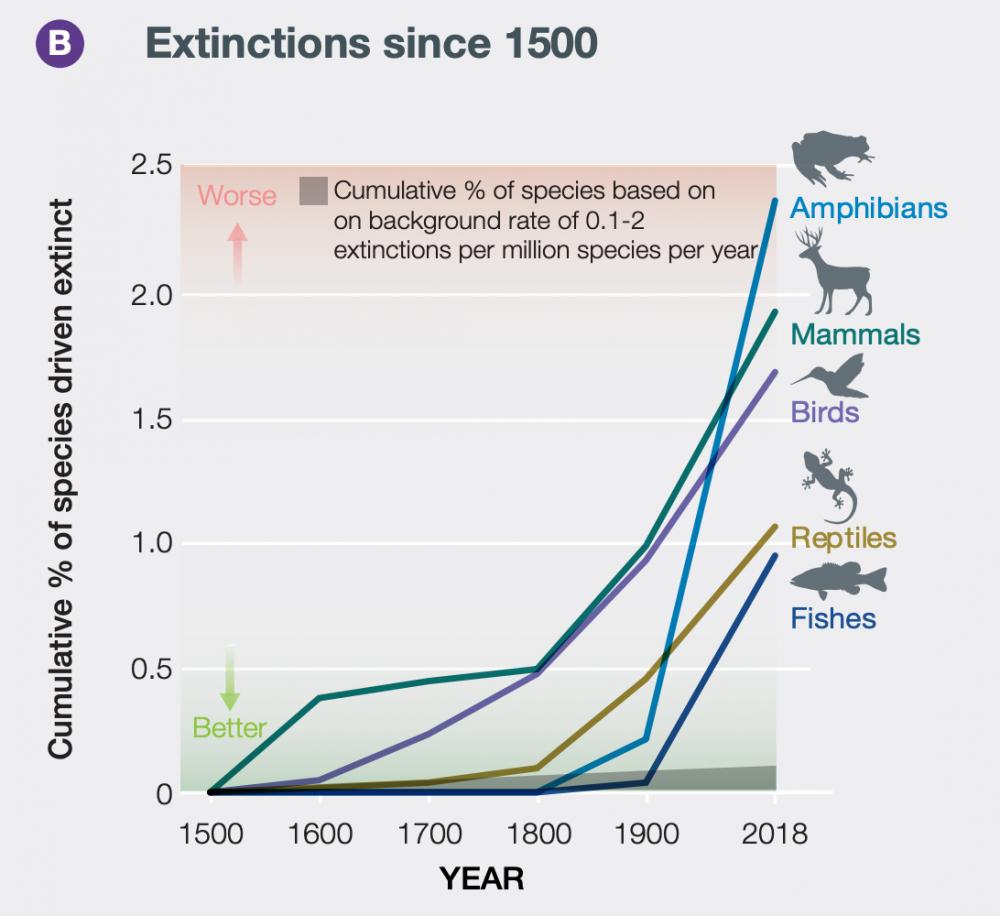
However, these benefits are not limitless. Intense human activity—often unregulated or driven purely by economic gain—has led to the destruction, fragmentation, and irreversible degradation of many ecosystems. Today, Earth is facing the sixth mass extinction in its history, and the first caused by a single species: humans.
Major Threats to Ecosystems
- Deforestation and Urbanization
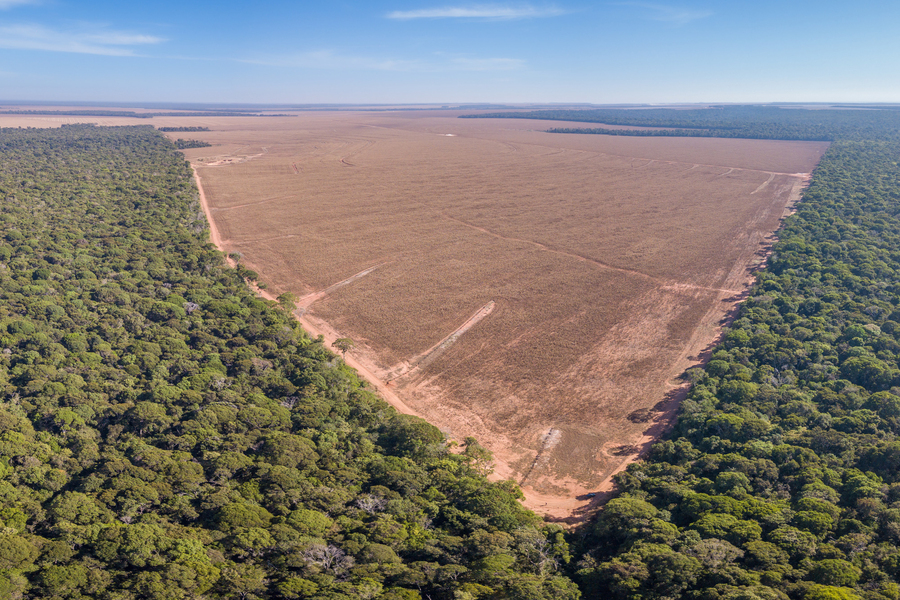
Clearing forests for agriculture, logging, infrastructure development, and urban expansion leads to the loss of habitat for millions of species.
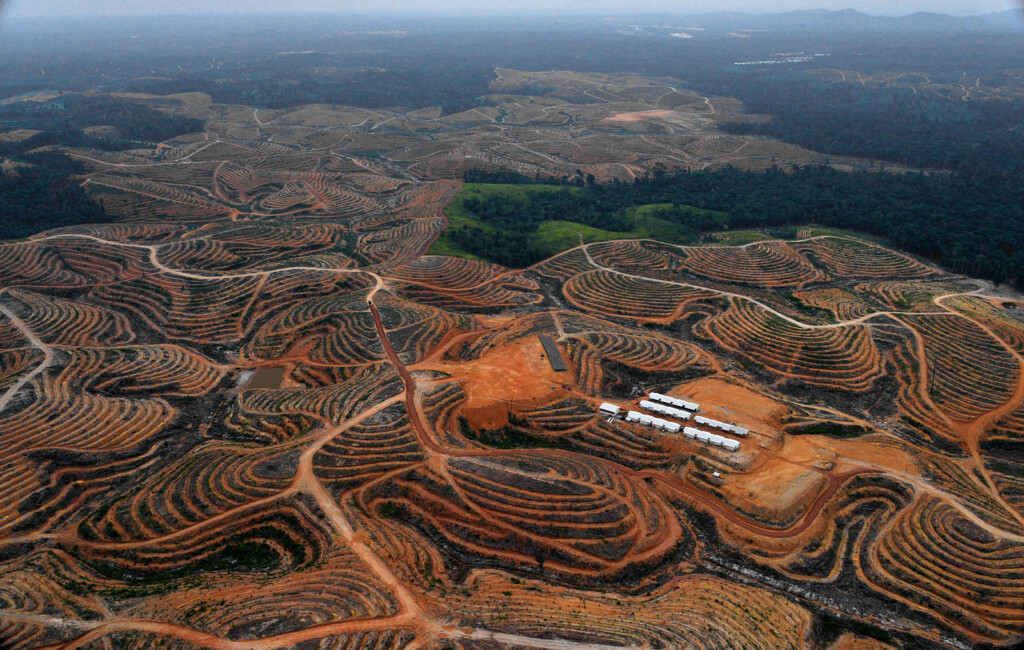
In the Amazon, tropical forests are cleared for soy production and cattle grazing. In Southeast Asia, palm oil plantations replace unique ecosystems. In temperate regions, sprawling urban development chips away at native forests.
This fragmentation isolates animal and plant populations, reduces genetic diversity, and creates barriers to seasonal migration and adaptation to environmental changes.
- Climate Change
Rising global temperatures, extreme weather events, and ocean acidification are reshaping entire ecosystems.
Species shift their geographic ranges, while those unable to adapt or migrate are at risk of extinction. Coral reefs are bleaching and dying due to warming seas, and coniferous forests suffer from heatwaves, drought, and new pests.
Mountain regions, polar zones, and coral reefs are among the most vulnerable, already experiencing massive biodiversity losses.
- Pollution of Ecosystems
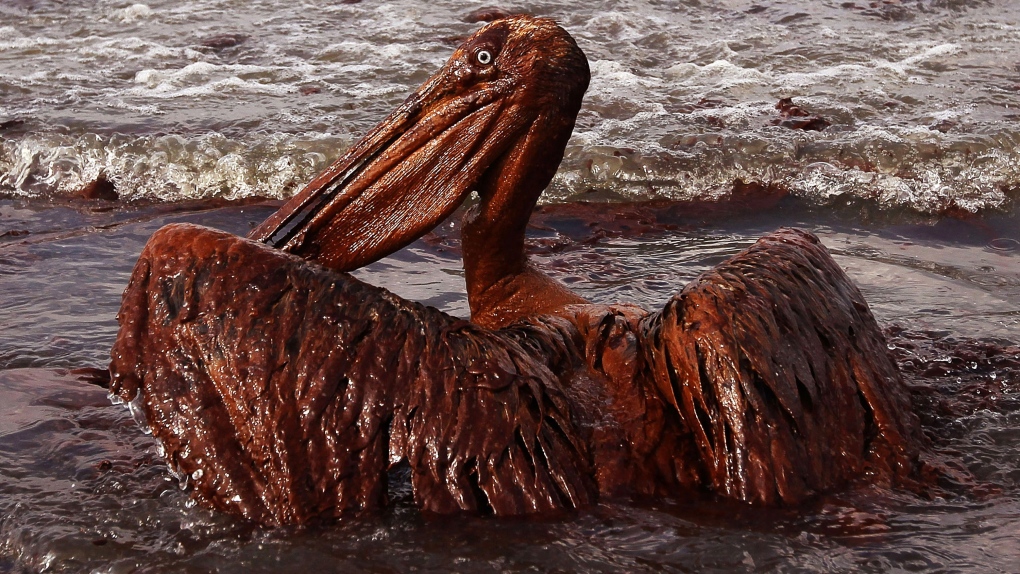
Air, soil, and water pollution directly and indirectly affect ecosystems. In agricultural areas, excessive fertilizer use causes nitrate runoff into rivers, leading to eutrophication and aquatic dead zones.
In oceans, microplastics, heavy metals, and persistent organic pollutants accumulate in food chains and harm marine life. Acid rain—caused by atmospheric pollutants like NOx and SO₂—degrades forests and acidifies soils and freshwater bodies.
- Invasive Species
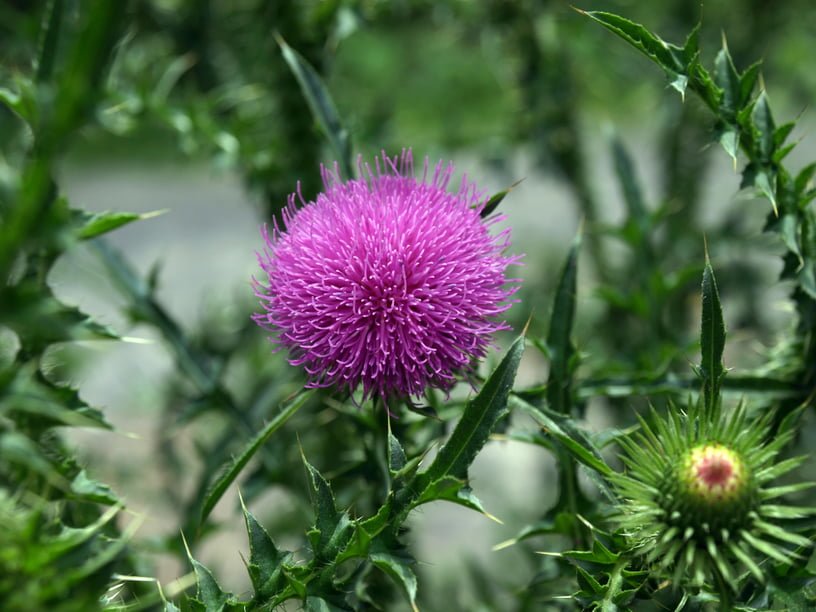
Global transport, climate change, and human intervention facilitate the spread of non-native species that escape natural predators and dominate ecosystems.
Examples include rabbits in Australia, Caulerpa algae in the Mediterranean Sea, and the American channel catfish in European freshwater. These species outcompete natives, reproduce aggressively, and destabilize local ecosystems—impacting biodiversity, economies, and public health.
Consequences of Ecosystem Collapse
🔹 Loss of Biodiversity
As ecosystems degrade, sensitive species are the first to disappear—sometimes rare plants, other times insects or birds crucial for pollination or pest control. Losing even a single species can trigger cascading effects.
This biodiversity loss reduces ecosystems’ resilience to shocks such as droughts, fires, or invasive outbreaks, making them more unstable and vulnerable.
🔹 Collapse of Ecosystem Services
Without healthy forests, we lose clean air, regular rainfall, and fresh water. Without pollinators, agriculture fails. Without wetlands, cities become more prone to floods.
The economic value of ecosystem services exceeds $125 trillion per year, yet they are often ignored in development and policy decisions.
🔹 Trophic Imbalance and Emerging Diseases
Disruption of food chains—through species loss or invasive species introduction—can cause abnormal population booms (e.g., rats, harmful insects) and declines (e.g., natural predators).
Furthermore, habitat destruction brings wildlife closer to humans, increasing the risk of zoonotic diseases such as SARS or COVID-19, which originate in animals and cross over to humans.
Solutions for Ecosystem Conservation and Restoration
- Smart Reforestation and Ecological Corridors
Replanting should not be done merely to meet quotas. Native species must be planted strategically, based on local conditions.
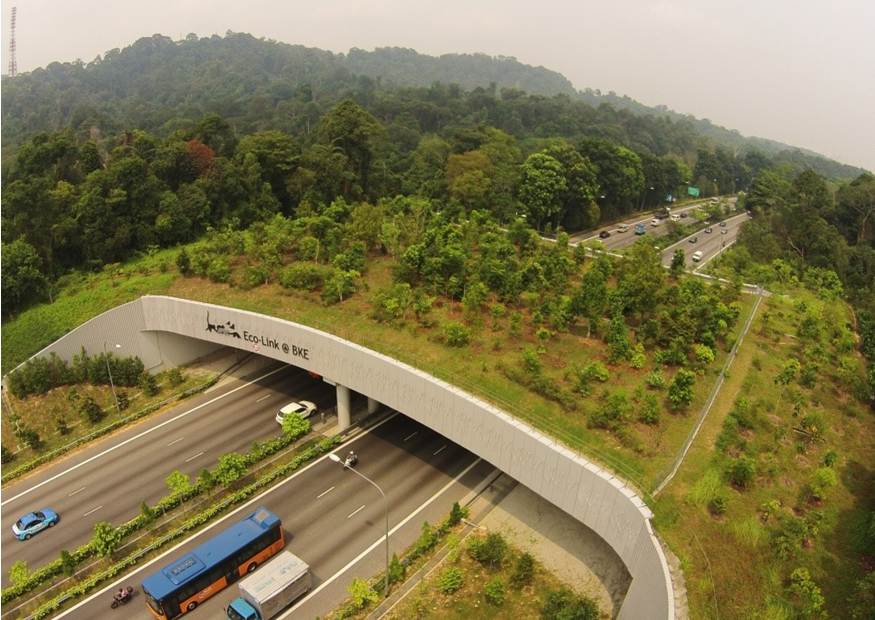
Ecological corridors—continuous strips of vegetation—connect fragmented habitats, enabling migration and genetic exchange between isolated populations.
- Protected Areas and Ecological Reconstruction
Protecting large, biodiversity-rich wild areas is vital. However, protected areas must be effectively managed—not just declared on paper.
Simultaneously, degraded lands should undergo ecological restoration through replanting, removal of invasive species, restoration of waterways, and reintroduction of keystone species (e.g., beavers, wolves, bison).
- Environmental Education in Communities
Each local ecosystem must be understood, loved, and protected by its surrounding communities. Environmental education, children’s workshops, guided nature walks, participatory projects, and responsible tourism can turn communities into biodiversity stewards. - Sustainable Development Policies
Economic progress must not come at the expense of nature. Biodiversity impact assessments should be mandatory for all infrastructure projects.
Fiscal policies can incentivize companies that respect nature and penalize ecosystem degradation. Moreover, investments in “natural infrastructure” (forests, wetlands, healthy soils) are often cheaper and more effective than technological fixes.
Conclusion
Ecosystem collapse isn’t just about pandas or coral reefs. It’s a crisis that affects every human, every day—through the air we breathe, the food we eat, and the climate that shapes our lives.
Protecting biodiversity and ecosystems is not an ecological luxury—it’s an investment in our survival. We need a profound mindset shift, where economy and nature are no longer in conflict but in partnership. And each of us has a role to play in maintaining this fragile balance.