Introduction
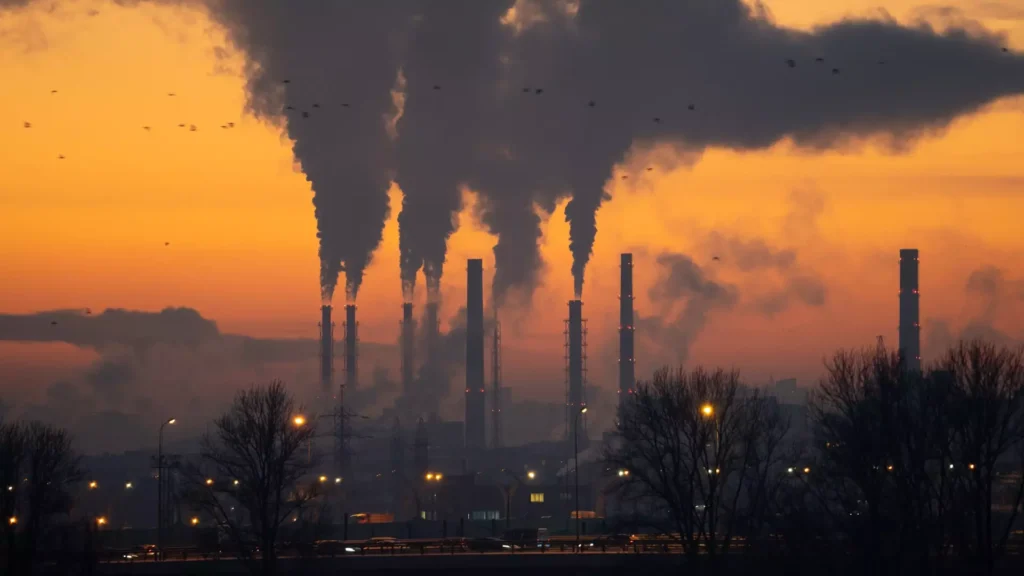
Air is invisible, yet indispensable. We breathe approximately 20,000 times a day without considering that the air we inhale may contain substances harmful to our health. In recent decades, air pollution has become one of the greatest global threats, affecting not only crowded cities but also rural areas, forests, agricultural crops, and even polar regions.
The World Health Organization estimates that over 7 million people die each year due to exposure to polluted air—more than the combined fatalities from malaria, HIV/AIDS, and traffic accidents. Additionally, air pollution significantly contributes to climate change, reducing the planet’s ability to self-regulate its natural balance.
Main Air Pollutants
- PM2.5 and PM10 – Particulate Matter
Dust, soot, and ash particles with diameters smaller than 10 micrometers (PM10), and more dangerously, smaller than 2.5 micrometers (PM2.5), come from traffic, industry, domestic heating, and vegetation burning. These particles penetrate deep into the lungs, and the finest ones can enter the bloodstream, affecting the heart and brain.
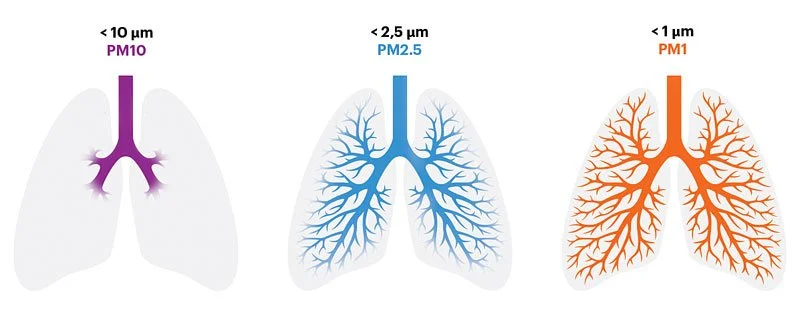
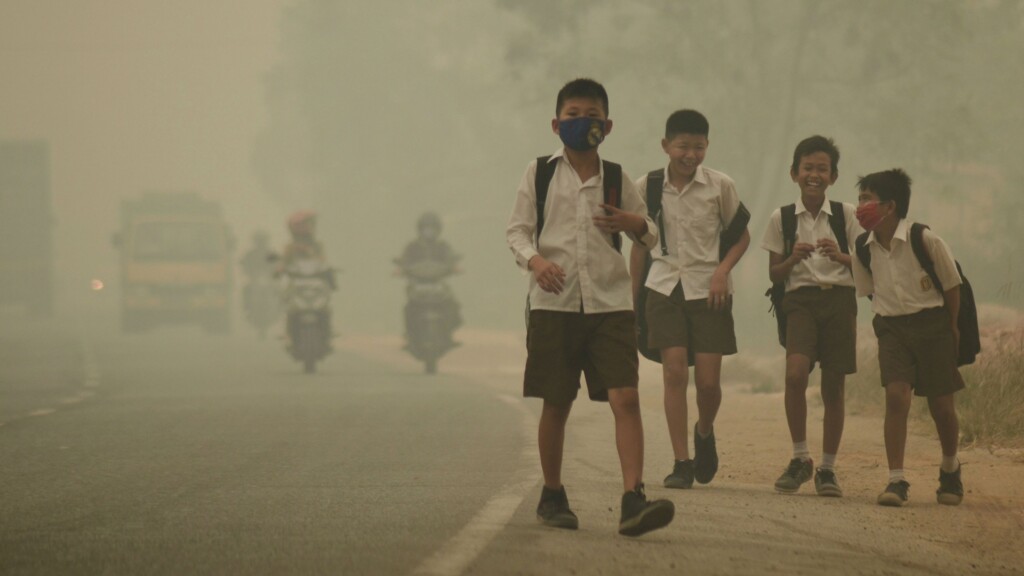
Long-term exposure to PM2.5 is linked to an increased risk of chronic obstructive pulmonary disease (COPD), strokes, and lung cancer. Children, the elderly, and people with respiratory conditions are particularly vulnerable.
- NOx and SOx – Nitrogen and Sulfur Oxides
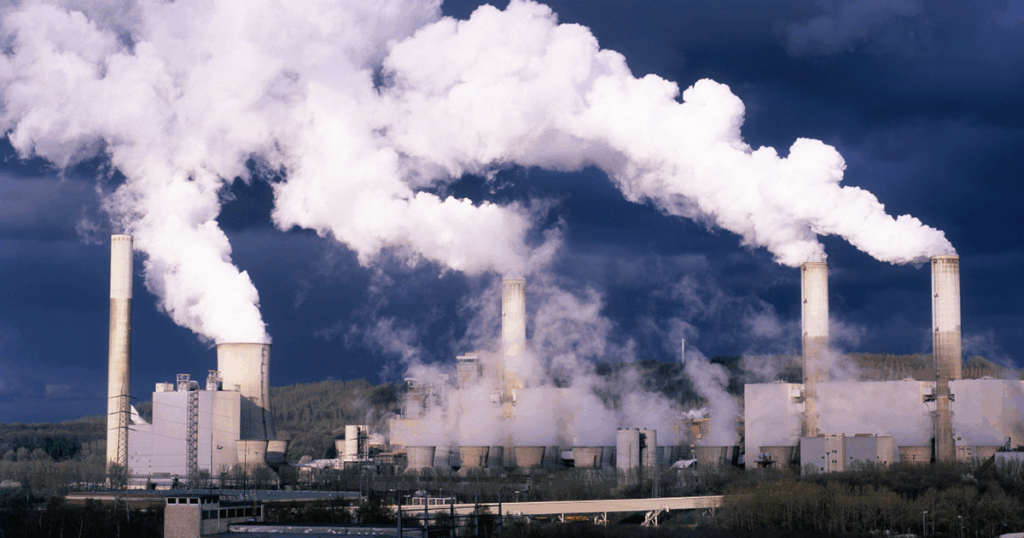
These compounds are primarily produced by road traffic, thermal power plants, and heavy industry. Nitrogen oxides (NO and NO₂) contribute to ground-level ozone formation and respiratory irritation. Sulfur oxides (SO₂) are the main culprits behind acid rain, which harms soil, crops, and buildings.
Beyond health impacts, these pollutants also inhibit plant photosynthesis, reducing agricultural yields.
- Tropospheric Ozone (O₃)
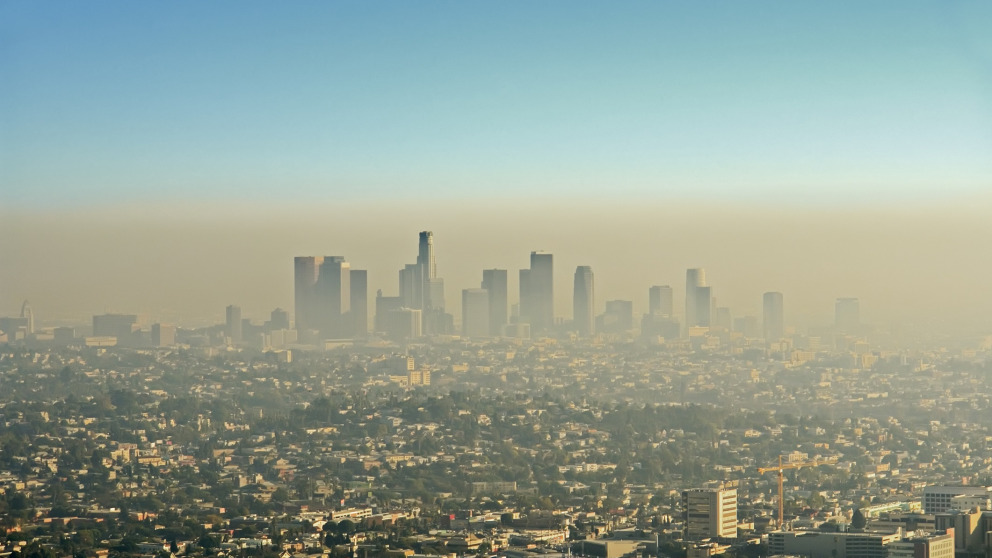
Unlike stratospheric ozone (which protects us from UV radiation), ozone in the lower atmosphere is a secondary pollutant formed by the reaction between NOx, VOCs, and sunlight. It is a major component of urban smog and a potent respiratory irritant.
Exposure to high ozone levels can reduce lung function and worsen asthma, especially in children and outdoor athletes.
- VOCs – Volatile Organic Compounds
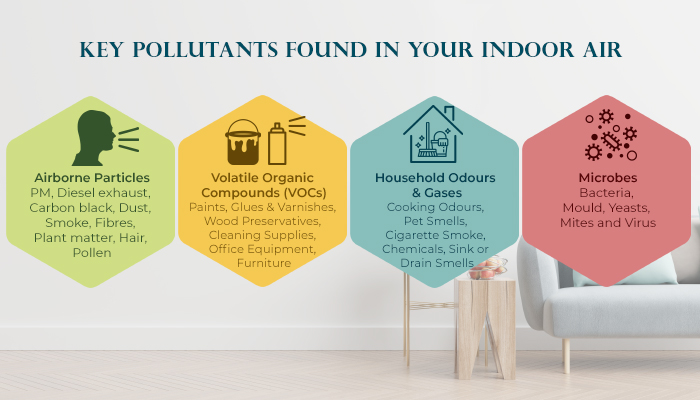
These compounds evaporate quickly at room temperature and originate from solvents, paints, varnishes, cleaning products, and petroleum-based materials. They participate in photochemical reactions that generate ground-level ozone. Some VOCs, such as benzene and formaldehyde, are known carcinogens.
Indoors, VOC concentrations can be even higher than outdoors, making indoor air pollution a major concern, especially in poorly ventilated buildings.
Health and Climate Impacts
Air pollution is not limited to respiratory discomfort. It has complex, long-term effects on:
- Cardiovascular system – Pollutants can trigger chronic inflammation and artery thickening.
- Brain – Fine particles can reach the brain and are linked to higher risks of Alzheimer’s, depression, and cognitive deficits in children.
- Fertility – Recent studies show a decline in sperm quality and hormonal disruptions.
- Immunity – Prolonged exposure weakens the body’s ability to fight infections.
On a climatic level, air pollutants contribute to global warming. Methane, tropospheric ozone, and black carbon are short-lived greenhouse gases with strong warming effects. Additionally, forests damaged by pollution lose their ability to sequester carbon, accelerating climate imbalance.
Necessary Solutions and Interventions
- Sustainable Transport
Road traffic is a major pollution source in cities. Transitioning to electric transport, building cycling infrastructure, and expanding clean, accessible public transportation are essential.
Green zoning policies (low-emission zones), limiting car access in city centers, and promoting remote work can all help reduce urban emissions.

- Strict Industrial Emission Regulations
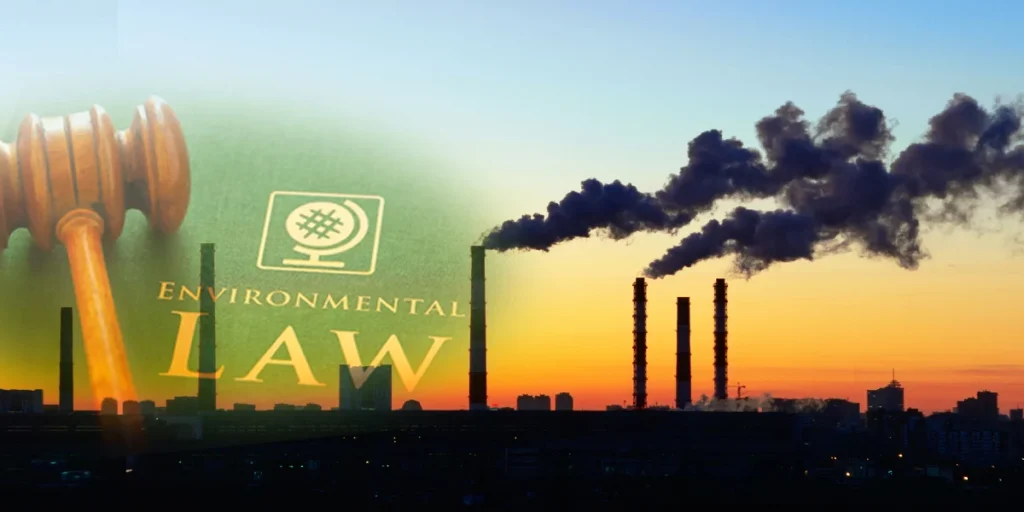
Governments must enforce strict emission standards and monitor industrial activities in real time. Waste burning—still common in rural and semi-urban areas—should be banned and replaced with recycling and composting alternatives.
Industry must be encouraged to adopt clean technologies and shift to renewable energy sources.
- Monitoring and Transparency
Installing air quality monitoring stations in all communities and publishing real-time data for public access can increase awareness and social pressure for change.
Civic initiatives that install low-cost sensors in schools or homes can complement official networks and educate the public.
- Environmental Education
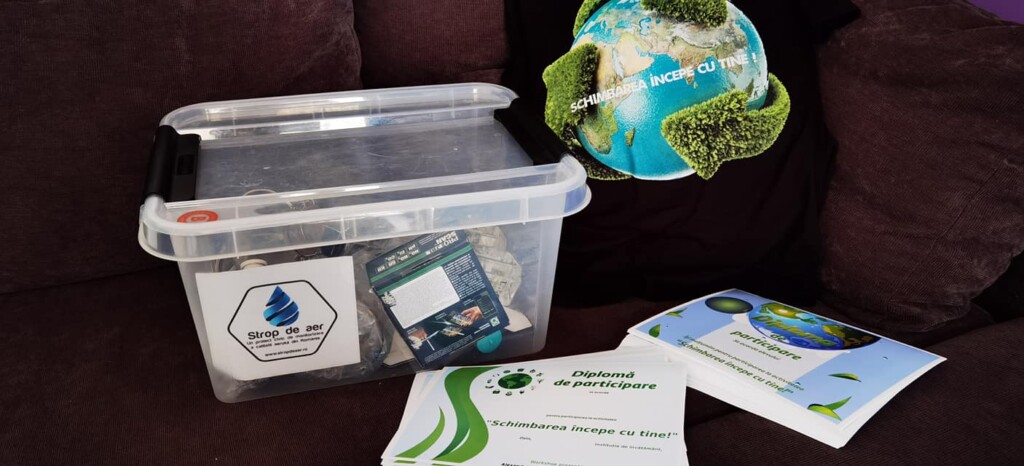
Starting in schools, children must be taught what air pollution is, how to prevent it, and what sustainable living means. Public campaigns about proper ventilation, eco-friendly cleaning products, and energy conservation are also essential.
Conclusion
Air pollution is an invisible yet omnipresent threat. It affects us every moment, with every breath. It’s not only a public health issue but also one of social equity, as it hits vulnerable communities—children, the elderly, and those with chronic illnesses—the hardest.
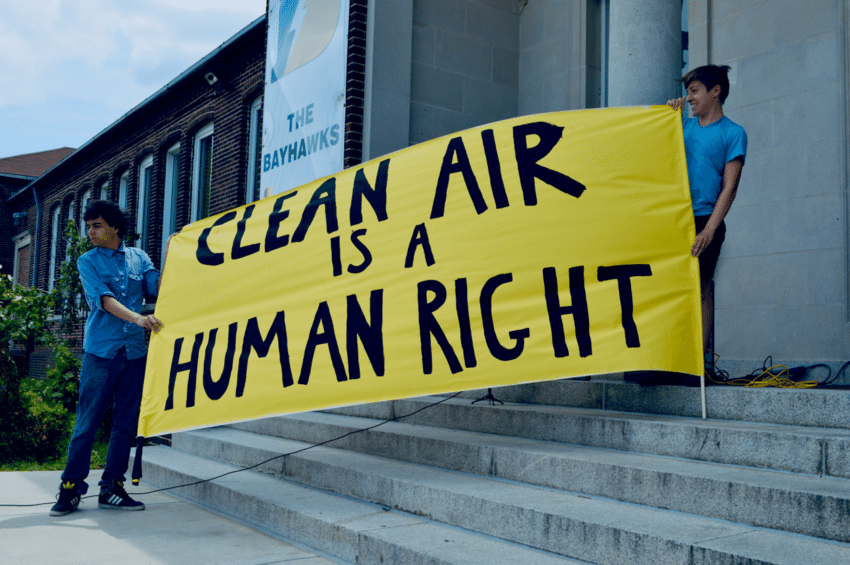
To combat this threat, we need collective mobilization: smart policies, technological innovation, citizen involvement, and education for the future. Every choice—from walking instead of driving to supporting green energy—matters. Clean air should not be a privilege, but a fundamental right for every living being.